Rebecca Ballard, Woman of the Week
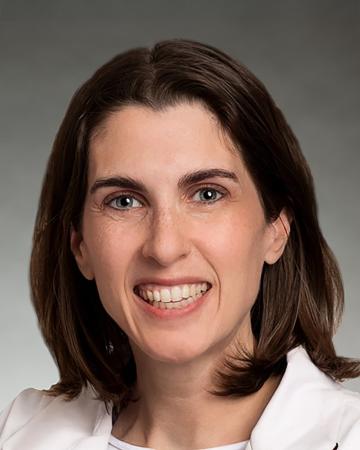
Rebecca Ballard is our Woman of the Week, nominated for her work as a neonatologist and priest’s wife. We asked her to tell you how she got from where she started to where she is today:
“My husband and I met as undergraduates, and from the beginning he knew I was planning to go to medical school. I was deep in pre-med anxiety mode—unsure of my direction and not very good at being vulnerable. At that point, though, I simply wasn’t ready to commit. By the fall of my senior year, things had changed. I knew I’d been accepted to medical school, and over Christmas break we started dating again. He knew within four days that we were going to get married. It took me about two months to figure it out.
“We married the following year, during the natural break between first and second year, when there’s actually time to breathe. It was an intense season. He had no idea what he wanted to do with his life, and that year—his last year of college and my first year of medical school—was probably the most eventful of our lives. It was also when we were converting to Orthodoxy, so we were making all our major life changes at once.
“In March, four months before our July 3rd wedding, he was diagnosed with testicular cancer. While undergoing treatment, he was still our primary wedding planner. That’s how we function: he handles logistics, narrows choices down to three options, and I choose among them. It’s still our system. We married after I finished my first year of medical school and after he completed treatment. Then came the question of what was next. He tried several paths before he discerned his call to the priesthood.
“At the same time, I was in my fourth year of medical school, applying for residency. I focused on New York and Boston so we could pursue our training simultaneously—my pediatric residency and his three years of seminary. My New York program hadn’t been my top choice, but it proved perfect, and our three-year timelines aligned almost exactly.
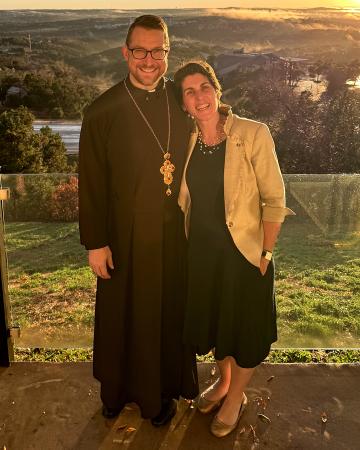
“The first year was especially demanding. People would ask if we were really married because they never saw us together. I was on call every fourth or fifth night. We lived on campus and built community, and my husband—ever strategic—figured out that if he invited people over for dinner on my post-call days and cooked, I was far more pleasant! After residency, I completed a three-year neonatal fellowship. In total: four years of medical school, three years of pediatric residency, three years of neonatal fellowship—and then my first attending job.
“Last March I was promoted from neonatologist and Neonatal Medical Director to Practice Medical Director. That meant overseeing not just my NICU team, which I love dearly, but physicians and nurse practitioners across two hospitals. At the time, we were short on pediatricians and even had to close the pediatric floor for a period, which put us in breach of contract. So I had to build recruitment, onboarding, and credentialing processes almost from scratch.
“In November, a colleague who had been co-managing four additional community hospitals went on emergency leave. Because I already held privileges at those sites, it made sense for me to take them on as well. So now I oversee multiple hospitals across the region. I think of much of my job as pastoral. Leadership is often about managing information: what’s public, what’s private, and when to share it. It’s also about managing emotions—other people’s anxieties and fears. My husband and I balance each other well in that regard. He supports many professional women in confession and pastoral care, and he understands both theology and science deeply. That shared foundation allows us to absorb the weight of other people’s crises without being destabilized.”
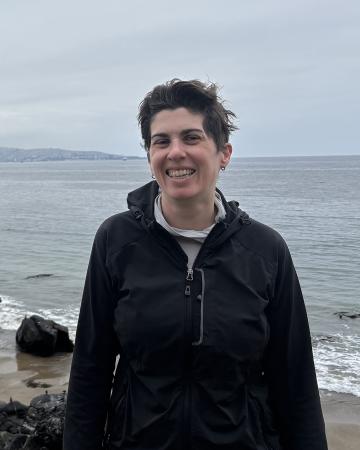
“As a neonatologist, I care for women at their most vulnerable—often after unexpected or premature deliveries. Even physician mothers don’t know what normal vital signs look like for a 25-week baby. So I spend a lot of time translating emotion. I’ve learned that if I don’t acknowledge the feeling first, people can’t hear the medicine.
“I’ll often begin by saying, “This is not what you expected.” Then I explain my “worry level.” If I have a moderate concern, I say so. If I’m highly worried, I say that too. Nurses listen differently when you’re clear. I was trained that the critical care physician must be the calmest person in the room. When I’m most worried, I actually become quieter and more deliberate. I set expectations honestly—even saying when survival is uncertain—while making clear we will do everything possible.
“My faith helps me here. It reminds me I’m not the end-all, be-all. My hands are human. That perspective keeps me from paralysis and allows me to lead with clarity and compassion.
“I use closed-loop communication and try to be predictable, especially for nurses and respiratory therapists. Predictability lowers anxiety. I explain what I’m doing and why. With parents, I adjust based on what they’re able to hear in that moment.
“Crisis management is a shared strength for me and my husband. Partly because of experience, partly because we talk things through together. Being practical while acknowledging emotion helps people feel safe. And remaining calm is essential.
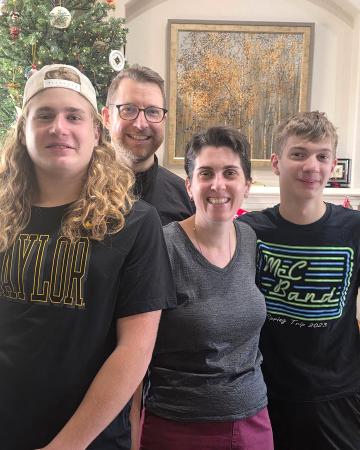
“We also try to pass that steadiness on to our two teenage sons. We share music—Max loves anything from a Guardians of the Galaxy soundtrack, and Evan leans toward AC/DC and punk rock—but we also talk openly about feelings and motivations.
“A coaching program I completed a few years ago shaped my leadership profoundly. One daily mantra is: I’m not responsible for anyone else’s thoughts or feelings. I’m responsible for how I show up. As a physician, a priest’s wife, and a Christian, that means asking: How am I showing love right now?
“Last year I recommended Tolstoy’s short story “The Three Questions” to many people. The answers are simple: The most important time is now. The most important person is the one in front of you. The most important thing is to show love. When the world feels overwhelming, that’s what I return to: show love—and raise civilized children.”
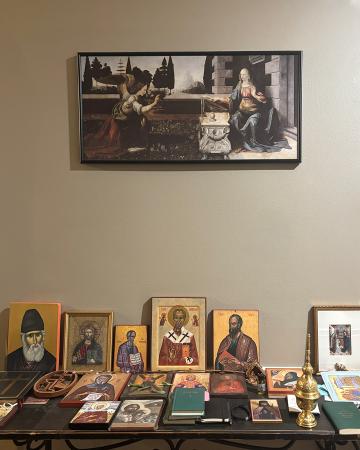
As always, we asked Rebecca Ballard, our Woman of the Week, to tell you about her morning routine:
“My first moment isn’t prayer or anything especially holy. It’s coffee. My husband brings me coffee every morning, and making coffee is one of his great skills. We take it seriously—we have eight different ways to make it at our house. I usually start with a three-ounce Americano—stronger than traditional—and later I’ll have iced coffee, since we have an iced coffee maker too. If you’re going to care about something, you might as well go all the way. With coffee, I’ll often play the Spelling Bee or Connections on the New York Times games app. But I’m also always connected to work, so sometimes I’m checking emails or logging into the NICU to see how the babies are doing. Did they gain weight? Are labs back? Are they making progress?
“Our average daily census is 25 babies. That’s a lot to track. Medicine is very superstitious, so we don’t say things are “quiet,” and we don’t even say babies are “doing well.” I usually say they’re “following the plan.” Sometimes they do. Sometimes they don’t. You can’t ever fully trust a preemie. One of the hardest parts is helping parents of late preterm babies—34 to 36 weeks—understand why their baby can’t just go home. Often it’s feeding. I’ll show them what a 34-week brain looks like compared to a 40-week brain—much smoother, fewer folds. There’s so much learning still happening.
“Babies have all five senses in utero, which fascinates me. But once they’re born, they’re still learning where their limbs are in space, how to coordinate sitting up, and especially how to eat. Feeding requires precise coordination of suck, swallow, and breathing. Many babies have a stronger suck than swallow at first because the muscles aren’t fully developed. Feeding is essentially an exercise program—it takes enormous energy. So we start with smaller volumes and slower-flow nipples—training wheels, really—so they can safely coordinate suck and swallow. As they mature, we advance them toward full breastfeeding or bottle-feeding. Most learn both, which gives families flexibility at home.

“As for waking up, I’m usually up by 7:00. High school starts early, so my husband gets up at 6:00 to make Max breakfast. Max will often come hug me around 6:30. Sometimes I’m awake; sometimes I sleep until 7:30. Then it’s coffee, a few minutes to orient myself, and checking what the day looks like—especially now that I have more meetings in my expanded leadership roles.
“I also have the Encounter app on my phone, which sends reminders for morning prayers. It’s helpful.
“The NICU really is its own world within the hospital. When I’m in committee meetings with trauma surgeons and ER physicians, it’s clear we deal with very different kinds of problems. But I honestly think we’re one of the most functional units in the hospital. We breathe on the same wavelength. A lot of that is due to strong leadership—our nursing director has been an extraordinary mentor, and we share a similar style. I don’t lead with the fact that I’m married to a priest, but people know they can trust me. That foundation—marriage, faith, steady presence—shapes how I show up.
“At home, we try to raise civilized humans. Both boys enjoy talking with adults and with us. Evan thinks he may go into medicine because he finds it interesting—which is a good enough reason. Ultimately, I don’t know what they’ll do. But if they can sit at a table and have a real conversation, that feels like success.”
Thank you, Rebecca!